
June 25, 2026
What a Camera Drain Inspection Can and Can’t Tell You
A camera inspection is often described as a way to see everything happening inside your pipes, but the truth is more nuanced. It reveals a great deal, yet it has real blind spots that a good plumber works around rather than ignores.
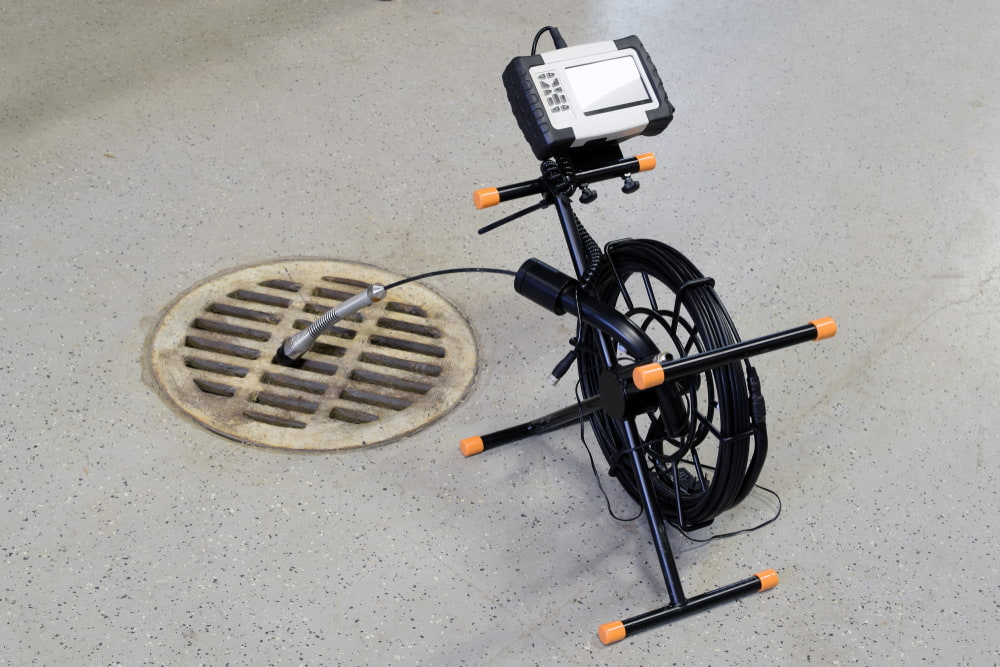
For homes in Chula Vista, a drain inspection with a camera is genuinely useful: instead of guessing, a plumber sends a small waterproof camera into the line and views the inside of the pipe in real time, surfacing problems that would otherwise stay hidden. But knowing where that view stops is just as important as knowing what it catches, and the guide below covers both, so read on.
Can a camera inspection diagnose every plumbing issue?
It is a powerful diagnostic step, but it works best alongside professional experience, visible symptoms, and sometimes additional testing. The footage shows what the inside of the pipe looks like, though it does not always explain the cause on its own. At a high level, a clear run of footage can confirm a few things quickly:
Here is what it can usually help identify.
1. Blockages & buildup
Grease, hair, soap scum, food sludge, mineral scale, and stray objects all appear on screen, and the footage shows both where the mass sits and how far it extends. That distinction drives the fix: a soft early clog and a hardened, long-standing layer rarely respond to the same method.
2. Tree root intrusion
Roots that have pushed in through hairline fractures or pulled-apart joints are unmistakable, and the camera traces how far down the line they have spread. Because rooted sections keep snagging debris, spotting them early is what separates a one-time clearing from a recurring backup.
3. Cracks, breaks & separated joints
A fracture or offset section shows on camera, but whether it is a single weak point or a failing run can take a closer pass. This is the finding that explains drains that misbehave again right after a cleaning.
4. Standing water & low “bellies”
A belly means the line has sagged or settled, and the trapped water collects sediment over time. It is the classic reason a drain flows well for a few weeks, then quietly slows.
5. Pipe material & rough age clues
The interior surface can hint at what the pipe is made of (older clay, cast iron, Orangeburg) and how degraded it is, which helps frame whether cleaning will hold or replacement is on the horizon.
What are the limits of drain camera inspections?
The footage shows what can be seen inside the pipe, but some conditions require additional evaluation.
1. It cannot see outside the pipe
It may show cracks, gaps, or root intrusion, but it cannot fully show surrounding soil conditions, outside pressure, or water movement outside the line. For example, if soil has shifted around the pipe, the camera may reveal the result inside the line, but not every outside cause.
2. It may not show small leaks clearly
A tiny leak, especially if it is not actively dripping during the inspection, may not be easy to identify visually. In those cases, a plumber may need to combine camera findings with other signs, such as moisture, odors, water stains, or pressure-related testing.
3. It cannot measure pipe strength
An older pipe may look worn, but the camera alone cannot always determine exactly how long it will last. That is why the plumber’s judgment matters. Age, material, symptoms, and inspection footage all help guide the recommendation.
4. It cannot fix the problem by itself
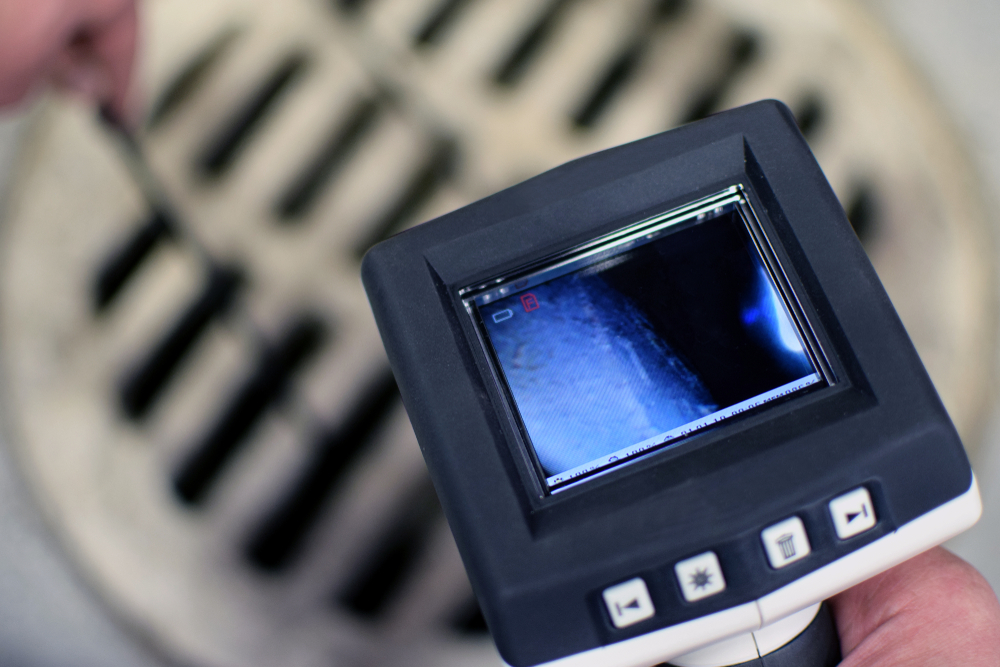
It is a diagnostic step, not a repair. It tells the plumber what is happening and where the issue may be located. After that, the right solution may include drain cleaning, hydro jetting, spot repair, pipe replacement, or another service.
The value of the inspection is that it helps make the next step more accurate.
5. It may need clear access
In many homes, that may be a cleanout. If access is limited or the pipe is completely blocked, additional steps may be needed before the camera can move through the line. Even with those limits, a camera inspection often provides much more clarity than symptoms alone.
Where in Chula Vista, CA, & nearby areas can I find expert drain inspection?
Most drain problems are hard to solve from the surface, because the real cause is often out of sight. Instead of working from symptoms alone, Bob the Plumber can send a camera into the line and show you what is actually happening inside the pipe, then walk through the options that fit what the footage reveals.
That kind of clarity helps you avoid paying for repairs the line may not need. It matters most at two moments in particular: before buying an older home, when the sewer line is the one thing a standard walkthrough never checks, and for any business where slow drains can quietly turn into a costly shutdown. Whether you are near Sweetwater Marsh or elsewhere in Chula Vista, we can give you a clear read on your plumbing and a sensible next step. Book an inspection today and find out what your drains are doing before any repair work begins.
Related Articles
How Jet Drain Plumbing Keeps Your Sewer Lines Running Smoothly
A blockage rarely appears out of nowhere. Grease, soap residue, food waste, and other material can collect gradually until water …
How Hydrojet Drain Cleaning Compares to Other Clog Removal Methods
When water starts backing up, the obvious question is how to get the line open again. The harder question is …
4 Warning Signs Your Drains May Need a Hydro Jetting Service
Your drains rarely fail without warning. The problem is knowing which signals actually matter. A toilet that begins flushing more …