
November 4, 2026
What Causes Residential Gas Lines to Corrode or Fail?
Gas piping usually stays out of sight until renovation or maintenance brings it into view. A little discoloration on an exposed section may seem minor, but rust can signal a slow reaction between metal and its surroundings. Damage can also develop underground, where no visible stain offers a warning.
If you’re considering gas line installation and repair, we can evaluate the condition of your existing gas piping to identify potential problems and recommend the appropriate solution. Not every old line is unsafe, and not every failure begins with corrosion. The material matters, along with the conditions where it is installed.
How long do residential gas lines last?
There is no universal expiration date. Properly installed and protected piping can remain serviceable for decades, while exposed metal may deteriorate sooner where moisture persists. Different materials also behave differently. Steel can rust, whereas approved plastic piping used underground does not corrode in the same way.
Age is therefore only a starting point. When assessing your gas piping, we consider its material, installation conditions, and any signs of previous damage or alterations. A line installed years ago may still be sound. A newer section exposed to unfavorable conditions could develop problems sooner than expected.
What causes corrosion & other failures?
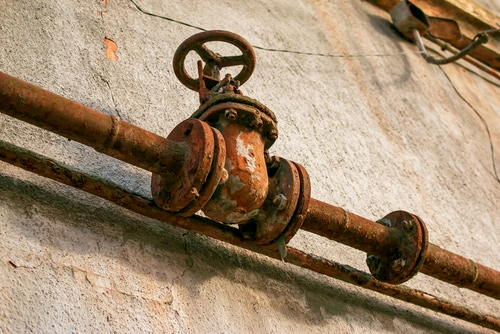
Moisture can attack exposed metal
Steel can corrode when moisture and environmental conditions promote electrochemical reactions that gradually deteriorate the metal. A persistently damp crawl space can create conditions for rust on exposed piping. Below ground, the surrounding soil influences how quickly deterioration develops.
The Pipeline and Hazardous Materials Safety Administration explains that external corrosion develops through contact between steel and its environment. That is why location and exposure matter just as much as the age of the pipe.
Protective coatings can become compromised
Coatings help shield susceptible metal from contact with corrosive surroundings. If that barrier is damaged, moisture can reach the surface underneath. Deterioration may then develop in a concentrated area rather than spreading evenly along the entire run. This is one reason buried sections can be difficult to judge from appearances alone. Corrosion may be developing beneath a coating or in a location that cannot be seen during everyday use.
Not every failure starts with rust
Movement or accidental impact can put stress on a connection. Poor support may place additional strain on the piping as the building settles. These conditions call for professional evaluation even when the metal shows no obvious rust.
When upgrading your equipment, keep in mind that a tankless water heater may require a larger gas supply line to accommodate its fuel demand. An undersized pipe is not necessarily damaged, but the installation may still need modification to serve the new equipment safely.
What does a corroded gas line look like?
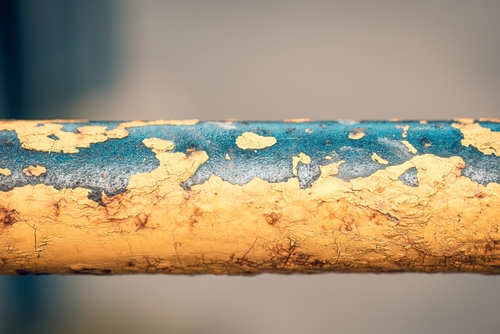
Exposed steel may develop reddish-brown staining or rough, flaky patches. Protective paint sometimes begins to bubble or lift as deterioration progresses. In more advanced cases, corrosion can leave small pits in the metal surface.
Those clues do not reveal how much strength remains in the pipe. A stained surface is not proof of an active leak, and a concealed section may be compromised without displaying any warning indoors. Never disturb a suspect connection or attempt your own leak tests. If you smell gas or suspect a leak, leave the area immediately. From a safe location, call 911 or your gas utility. Avoid electrical switches and anything that could produce a spark.
How is the condition of the piping assessed?
We assess the condition of your gas piping to determine whether corrosion is limited to one section or affects a larger portion of the system. By evaluating the extent of deterioration, we can determine whether your gas line needs repair or replacement. We base our repair or replacement recommendations on the extent of deterioration, the piping’s condition, and applicable safety requirements.
After completing the work, we perform the required checks, which may include professional gas-line pressure testing or approved leak-detection methods, depending on the type of repair or installation. New piping generally requires pressure testing, while certain minor repairs may be checked using approved leak-detection methods before service is restored. Visual appearance alone cannot confirm that the piping is safe to use.
Who offers dependable gas line installation & repair?
At Bob the Plumber, we provide residential gas line installation and repair services throughout Chula Vista and the surrounding communities. With nearly two decades of industry experience, the family-owned business has certified professionals who evaluate the condition of existing installations before recommending work.
Whether your property is near Southwestern College or elsewhere in Chula Vista, our team can assess aging or deteriorated gas piping and explain the appropriate next steps. Contact us to schedule an assessment. If an active leak is suspected, evacuate and call emergency services or your utility first.
Related Articles
Gas Line Repair vs. Replacement: How Do You Know Which One You Need?
A problem with the piping that supplies your stove or water heater raises a difficult question: can the damaged section …
How Jet Drain Plumbing Keeps Your Sewer Lines Running Smoothly
A blockage rarely appears out of nowhere. Grease, soap residue, food waste, and other material can collect gradually until water …
How Hydrojet Drain Cleaning Compares to Other Clog Removal Methods
When water starts backing up, the obvious question is how to get the line open again. The harder question is …