
April 29, 2026
What to Expect During a Sewer Line Repair
A sewer problem can feel overwhelming the moment it shows up. Slow drains, foul odors, recurring backups, or soggy areas in the yard often raise immediate questions about what is happening underground. Because the line is hidden from view, many are unsure what the repair process actually involves until they are facing the issue themselves.
If you need sewer line repair in Chula Vista, CA, it helps to know that the process usually begins with proper diagnosis rather than guesswork. Plumbers do not simply dig first and hope for the best. They start by identifying the location, cause, and severity of the problem so the plan matches the condition of the line. Once you know how the line is checked and what affects the timeline, it becomes easier to prepare for the work and make informed decisions.
How do plumbers check sewer lines?
They usually check by combining visible plumbing symptoms with specialized inspection tools that allow them to see what is happening inside the pipe. The goal is to locate the issue accurately and determine whether it needs cleaning, spot repair, or a larger replacement.

Here is what that process often includes:
1. Reviewing the warning signs
The first step is understanding what the home is already experiencing. Repeated clogs, multiple slow drains, sewage smells, gurgling sounds, or wet patches in the yard can all point to a main sewer problem.
2. Accessing the line
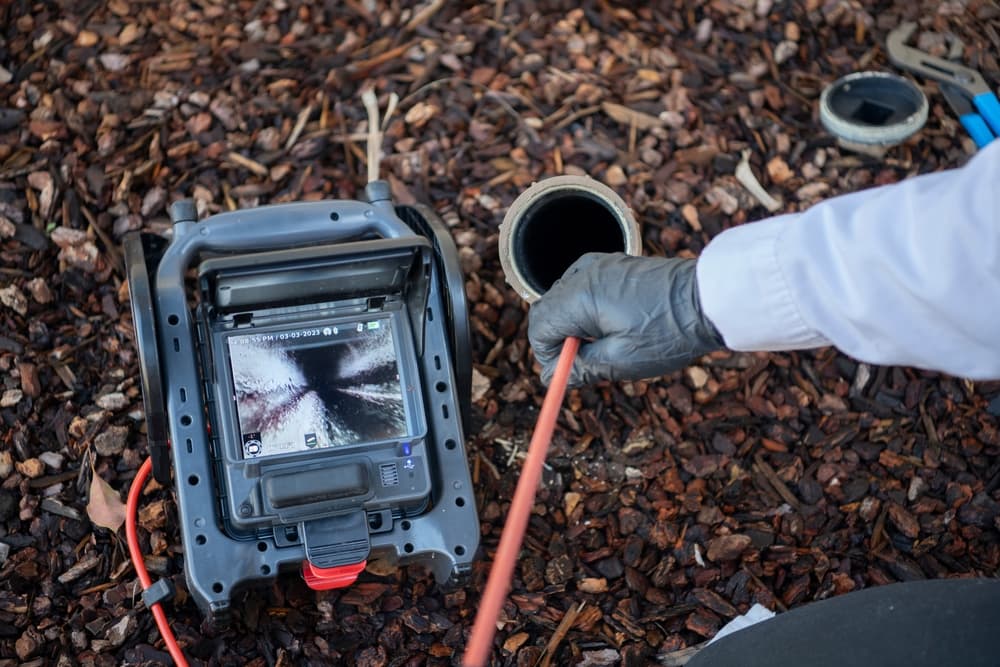
In many cases, the plumber uses a cleanout to reach it. This provides a direct entry point into the system without unnecessary disruption.
3. Camera inspection
A sewer camera is fed through to capture real-time footage from inside the pipe. This helps reveal:
- Cracks or fractures
- Root intrusion
- Grease or debris buildup
- Separated joints
- Misaligned sections
- Corrosion or pipe wear
- Standing water that may suggest a belly in the line
4. Locating the damaged section
Once the issue is visible on camera, the plumber can determine where it is located and how extensive it is. That matters because a localized problem may call for one type of repair, while widespread damage may require a different solution.
5. Explaining the next step
After the inspection, the plumber should explain what was found and what approach makes the most sense. In some cases, it may only need cleaning. In others, excavation or trenchless repair may be necessary. A clear diagnosis makes it easier to move forward with the right plan.
How long do sewer line repairs take?
The time required depends on the type of damage, the location of the problem, the method, and how easy the line is to access. Some repairs can be completed relatively quickly, while others take longer because the damage is more extensive or the work area is more complicated.
1. Smaller or simpler repairs
If the issue is limited to one accessible section of pipe, the process may move faster. A straightforward problem that is easy to locate and reach generally takes less time than when there are multiple trouble spots.
2. More extensive damage
It tends to take longer when there is:
- Severe root intrusion
- Collapsed sections
- Widespread corrosion
- Major joint separation
- Difficult access under landscaping, concrete, or structures
3. Repair method matters
Traditional excavation usually takes longer than less invasive methods because it involves digging to expose the damaged pipe. Trenchless options can sometimes reduce disruption and shorten the timeline, but they are not suitable for every situation. The right method depends on the condition and what the camera inspection reveals.
4. Site conditions can affect the schedule
If it is running beneath a driveway, patio, mature landscaping, or other hard-to-reach area may require extra time. Weather, soil conditions, and permit requirements can also affect the overall schedule.
What homeowners should expect
In general, expect the process to include:
- Inspection and diagnosis
- Explanation of repair options
- Scheduling and preparation
- Completion of the process itself
- Testing and cleanup
The most important thing is not to delay once a serious sewer issue has been confirmed. Waiting often gives the problem more time to worsen, which can lead to a bigger repair and a longer disruption than necessary.
Who can provide high-quality sewer line repair in Chula Vista, CA & beyond?
At Bob the Plumber, we help homeowners understand what is happening below the surface and guide them through the process with clear communication and dependable service. We use modern inspection methods to identify sewer problems accurately and recommend practical solutions based on the actual condition of the pipe. Whether your property is near Living Coast Discovery Center or elsewhere in Chula Vista, contact us today to schedule service and get expert support for your sewer repair needs.
Related Articles
Why Businesses Shouldn’t Ignore Slow Commercial Drains
A slow pipe may seem like a minor inconvenience at first. Water will disappear eventually, employees are free to continue …
Why Homebuyers Should Ask About Drain Camera Inspections
Buying a home involves much more than evaluating the layout, location, and appearance of the property. While a standard home …
What a Camera Drain Inspection Can and Can’t Tell You
A camera inspection is often described as a way to see everything happening inside your pipes, but the truth is …