
March 27, 2026
How to Prevent Sewer Line Damage: 8 Habits That Help
How Sewer Line Inspection Prevents Damage in Chula Vista, CA
Most sewer problems do not start with a dramatic break underground. They usually build slowly through grease, debris, root intrusion, aging pipes, or habits that put extra stress on the system over time. Because the line is hidden, homeowners often do not think about it until there is a backup, a foul smell, or a repair bill they were not expecting. That is one reason preventive care matters so much. Scheduling a sewer line inspection in Chula Vista, CA, is one of the smartest ways to catch developing issues before they turn into emergencies.
The good news is that prevention is often simpler than people think. A few consistent habits can go a long way toward protecting the main line and reducing the risk of clogs, buildup, and long-term damage. In this article, we will look at how to keep it cleaner and what regular maintenance really means.
How do I keep my main sewer line clean?
Keeping it clean starts with reducing what should never go into it in the first place. Fats, oils, and grease are among the biggest causes of buildup because they stick to pipe walls and harden over time. Wipes, food scraps, and other non-flushable materials can also catch inside and create blockages. Utilities and wastewater authorities consistently warn that grease and improper disposal habits are major contributors to clogs and backups.
Here are 8 habits that help protect your sewer line:
1. Keep grease out of the drain
Let the cooking grease cool, place it in a container, and throw it away instead of rinsing it down the sink. Grease may look harmless when warm, but it can solidify inside and restrict flow.
2. Flush only what belongs there
Toilet paper and human waste should be the only things going down the toilet. Wipes, paper towels, hygiene products, and other solids can create serious problems.
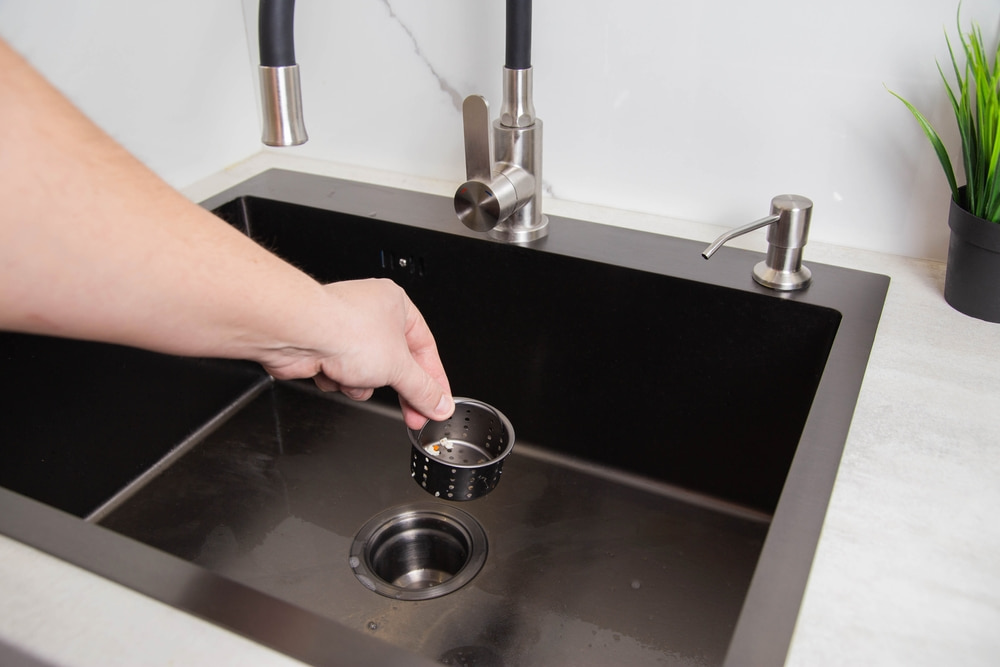
3. Use sink strainers
Strainers help catch food scraps, hair, and debris before they enter your plumbing. That simple step reduces the amount of material that can collect over time.
4. Be careful with landscaping near sewer lines
Tree roots are a major source of sewer damage because they seek moisture and can enter pipes through joints or small cracks. Planting too close increases that risk.
5. Pay attention to slow drains
A single slow drain may be a local clog, but several slow drains at once can suggest a developing problem. Catching that early can prevent bigger repairs later.
6. Do not treat chemical cleaners as a long-term fix
Repeatedly using harsh drain products can mask the real issue rather than solve it. If the same problem keeps returning, it is better to have everything properly evaluated.
7. Schedule inspections when warning signs appear
Camera inspections can help locate blockages, root intrusion, cracks, and other hidden issues without unnecessary digging.
8. Stay consistent with preventive care
Waiting until sewage backs up is the most expensive way to manage a sewer line. Small habits repeated over time usually do more good than one rushed fix after the damage is already done.
In other words, keeping the line clean is not about one miracle product or occasional guesswork. It is about reducing what enters the system, paying attention to early signs, and taking action before the issue grows.
What is regular sewer line maintenance?
Regular maintenance means taking practical steps to keep the system flowing properly and checking for issues before they become severe. It can include routine inspections, professional cleaning when needed, monitoring for root intrusion, and adjusting household habits that contribute to buildup. The EPA notes that cleaning and maintenance, along with reducing fats, oils, and grease, are important ways to reduce sewer overflows and related failures.
For homeowners, regular maintenance often includes a few core things:
- Watching for recurring slow drains or gurgling sounds
- Avoiding grease and non-flushable waste
- Addressing root risks near older lines
- Scheduling camera inspections if problems repeat
- Getting professional recommendations before the damage worsens
A camera inspection is especially useful because it shows what is happening inside the pipe instead of relying on guesswork. Modern inspections can reveal cracks, corrosion, roots, misalignment, or buildup without excavation, which makes it much easier to recommend the right next step.
The exact maintenance schedule depends on the age of the pipes, the property layout, nearby trees, and whether the home has a history of backups. Some properties may need only occasional checks, while others benefit from a more proactive schedule. What matters most is not waiting until the line fails completely, as issues are usually much easier and less costly to address when they are caught early.
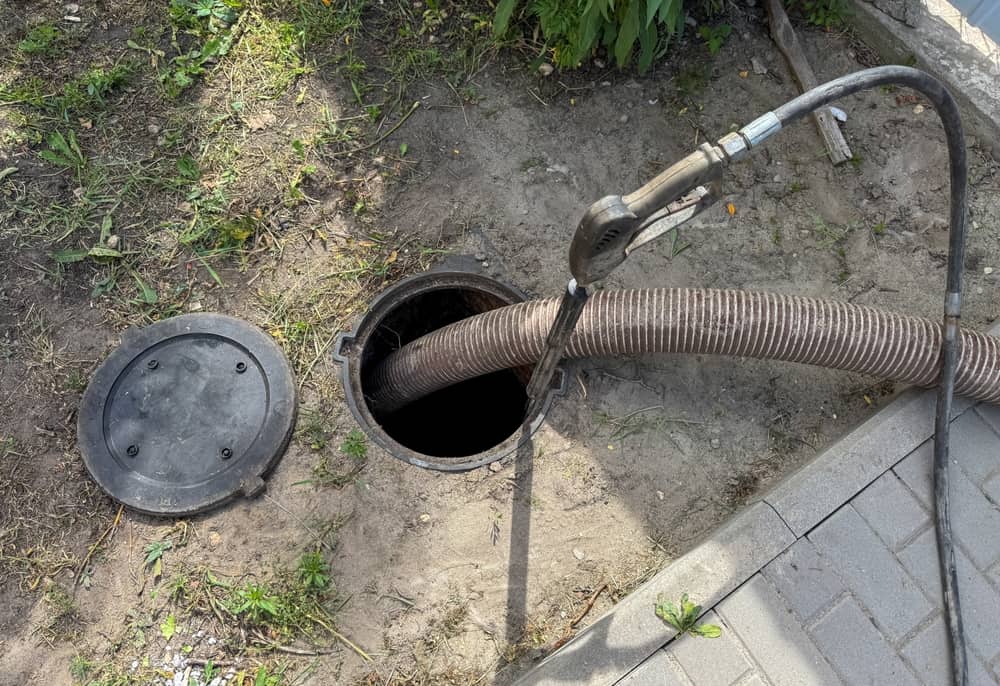
Who provides detailed sewer line inspection in Chula Vista, CA & the surrounding areas?
Protection is much easier when you have a professional team that knows what to look for and how to catch trouble before it gets expensive. At Bob the Plumber, we provide thorough inspections designed to spot hidden problems, explain what is happening clearly, and help homeowners make informed decisions before small issues turn into major repairs.
Whether your property is near Sesame Place San Diego or elsewhere in Chula Vista or the vicinity, we are ready to help keep your plumbing system in better shape with reliable service and practical guidance. Contact us to get your quote today!
Related Articles
What Causes Sewer Lines to Fail in Older Homes
Older homes often come with charm, character, and established neighborhoods, but they can also come with aging plumbing infrastructure hidden …
What to Expect During a Sewer Line Repair
A sewer problem can feel overwhelming the moment it shows up. Slow drains, foul odors, recurring backups, or soggy areas …
Sewer Line Inspection Checklist for Homebuyers
Buying a home comes with a long list of questions and decisions, and it is easy to focus only on …